
The Administrative Board of STC’s National Assembly holds Presidential Leadership Council responsible for deteriorating situation in Hadhramaut
SMA NEWS – ADEN THE CAPITAL
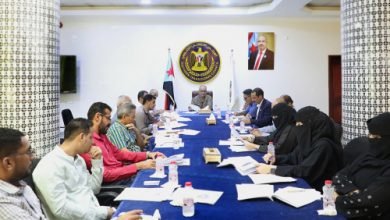
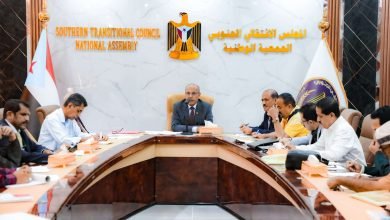
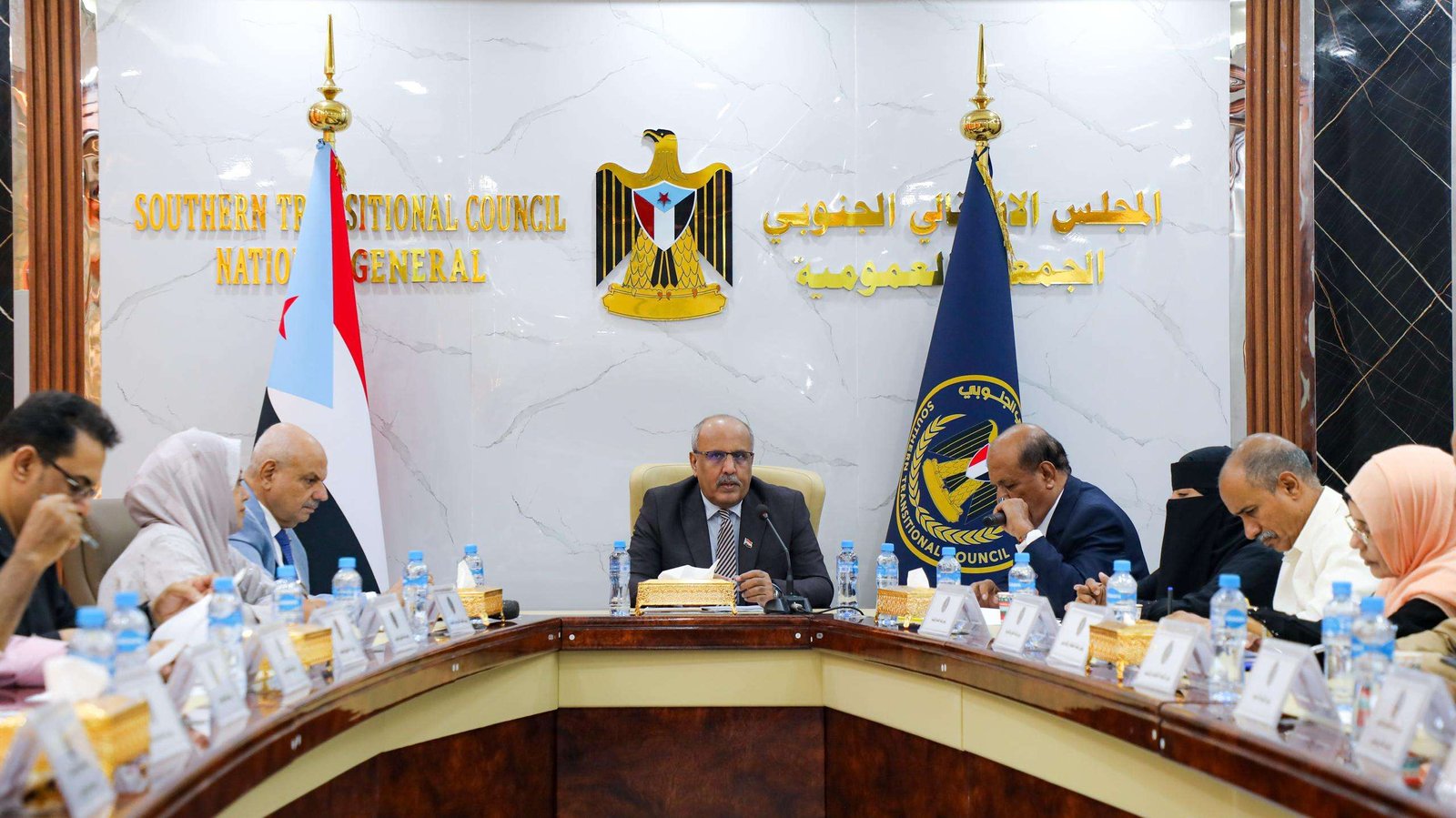
The Administrative Board of the National Assembly of the Southern Transitional Council held its regular meeting in the capital, Aden, on Wednesday, chaired by Ali Abdullah Al-Kathiri, President of the National Assembly.
At the beginning of the meeting, which was attended by Essam Abdo Ali, Vice Chairman of the National Assembly, Al-Kathiri provided a comprehensive briefing on the latest political, economic, and social developments in the southern governorates. He specifically addressed the escalating wave of popular protests in Hadhramaut Governorate, which resulted from the severe deterioration of basic services, most notably electricity.
In its meeting, the Board held the Presidential Leadership Council primarily responsible for the deteriorating situation in Hadhramaut, due to the failure to find radical solutions to the entrenched crisis. The Board also held the local authorities, with their conflicting factions, directly responsible for the deteriorating situation in the governorate.
The Board expressed its full solidarity with the protesters and their just demands, affirming the right of the people of Hadhramaut and all other southern governorates to demonstrate peacefully, in accordance with the law. It also emphasized the need to maintain a peaceful atmosphere and avoid any acts of violence or chaotic behavior.
The Board called on the demonstrators to maintain public security and respect public and private property, while praising the high-level and responsible treatment shown by the security forces and the Hadrami elite towards the protesters in Hadhramaut.
In a related context, during the meeting, the Administrative Board heard a detailed report from the Health and Environment Committee on the state of health services in the capital, Aden. The report included the most prominent current challenges and ways to improve the performance of the health sector. The Rights and Freedoms and Martyrs and Wounded Committees also reviewed reports on the legal and legislative data relevant to their mandates.
The meeting concluded with a review of the minutes of the previous meeting, discussion of a number of topics on the agenda, and adoption of the necessary decisions and recommendations.